Building Your First Python Web Application
12/27/2025
Tips for Mastering Python Syntax and Style
12/27/2025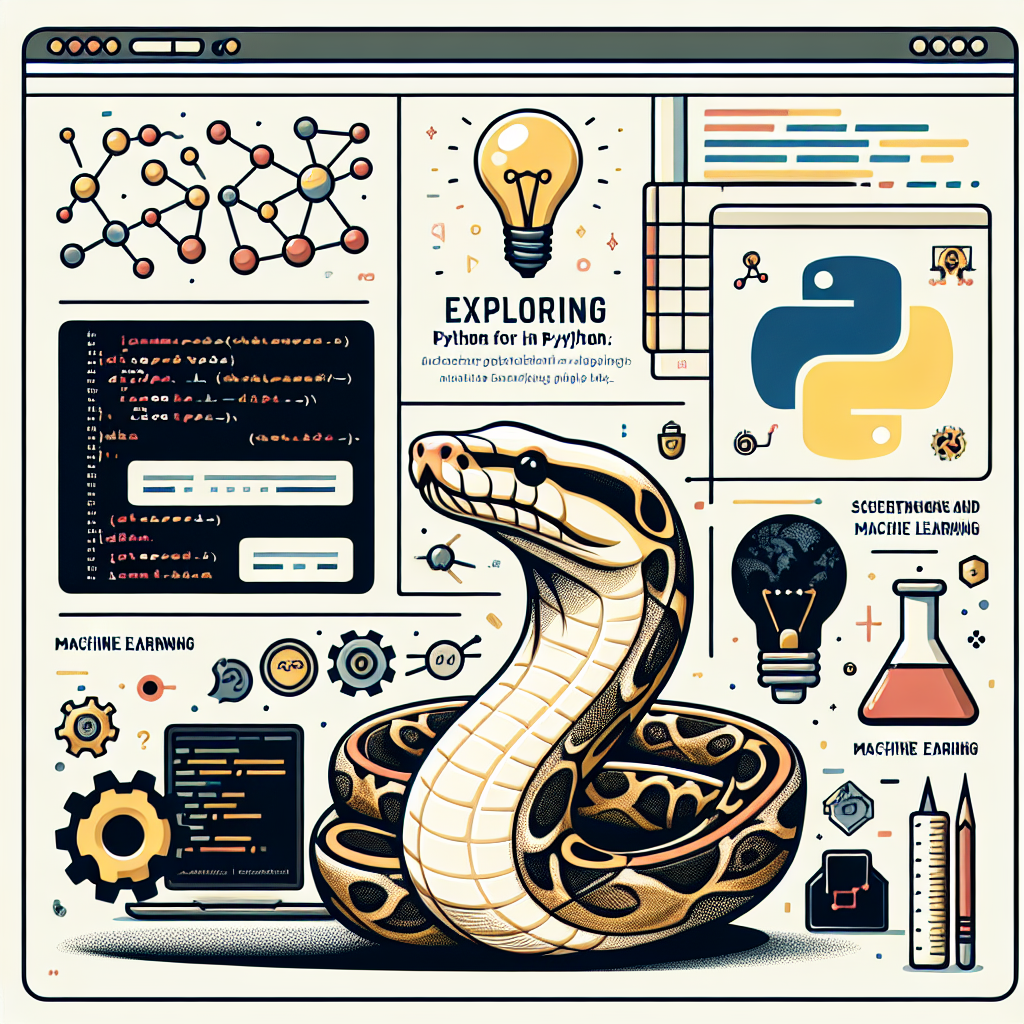
Exploring Python for Machine Learning Projects
Introduction
Python has become one of the most popular programming languages for machine learning projects due to its simplicity and versatility. With a vast ecosystem of libraries and frameworks, Python enables developers to implement complex algorithms and data manipulations with ease. In this article, we will explore the essentials of using Python for machine learning, providing practical tips and insights for both beginners and intermediate programmers.
Why Choose Python for Machine Learning?
Python offers several advantages when it comes to machine learning:
- Simplicity: Its readable syntax makes it easier for developers to write and understand code.
- Rich Libraries: Libraries like TensorFlow, Scikit-learn, and Keras simplify complex tasks.
- Community Support: A large community ensures a wealth of resources, tutorials, and forums for troubleshooting.
- Integration: Python can easily integrate with web applications and data sources, enhancing its usability.
Key Libraries for Machine Learning in Python
To effectively utilize Python for machine learning, becoming familiar with its key libraries is essential:
- NumPy: For numerical computing and handling arrays.
- Pandas: For data manipulation and analysis, especially with structured data.
- Matplotlib: For data visualization, making it easier to interpret results.
- Scikit-learn: Provides simple and efficient tools for data mining and machine learning algorithms.
- TensorFlow: A powerful library for deep learning, widely used for building neural networks.
Getting Started with Machine Learning in Python
To embark on your machine learning journey with Python, follow these steps:
- Install Python: Ensure you have the latest version of Python installed on your machine.
- Set Up a Virtual Environment: Use tools like virtualenv or conda to create isolated environments for different projects.
- Install Required Libraries: Use pip to install the necessary libraries for your project.
- Choose a Dataset: Start with publicly available datasets, like those on Kaggle or UCI Machine Learning Repository.
Building Your First Machine Learning Model
Once you have set up your environment, you can start building your first model. Here’s a simplified workflow:
Common Mistakes to Avoid
While working with Python for machine learning, be aware of these common pitfalls:
- Neglecting Data Quality: Low-quality data can lead to misleading results.
- Overfitting: Creating a model that performs well on training data but poorly on unseen data.
- Ignoring Feature Importance: Not considering which features contribute most to the model can lead to suboptimal outcomes.
- Failing to Validate: Always validate your model with a separate dataset to ensure its reliability.
Conclusion
Exploring Python for machine learning projects opens up a world of opportunities. By leveraging its powerful libraries and following best practices, you can develop effective models that solve real-world problems. Remember to focus on data quality, model evaluation, and continuous learning to enhance your skills. Whether you are a beginner or looking to deepen your understanding, mastering Python for machine learning is a valuable investment in your programming career.